
AV Site Survey: Steps & Importance
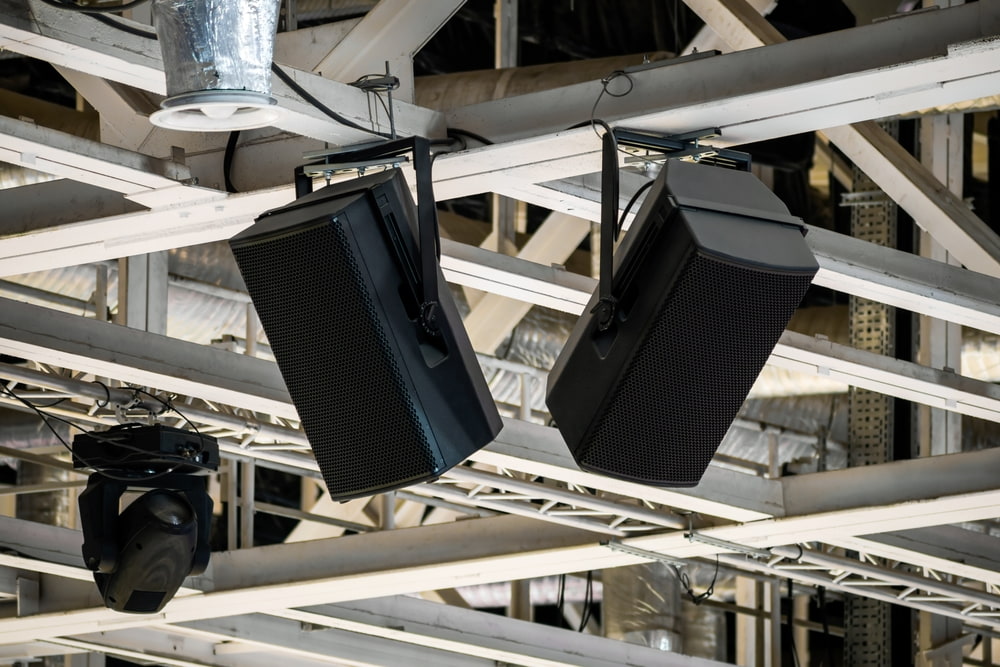
When an AV project goes awry, it’s rarely because the gear was “bad.” More often, the system was designed in a vacuum: a speaker location that can’t be mounted, a projector that can’t hit the screen size, a network closet with no rack space, or a room that’s so reverberant that speech turns to mush. An AV site survey is the step that prevents those expensive surprises.
It’s where commercial sound system design in Florida moves from assumptions to facts—real measurements, real constraints, and real user needs. For commercial sound and video systems, a proper survey also protects timelines: you catch permitting concerns early, confirm cable routes before walls get closed, and align expectations with stakeholders before anyone starts ordering hardware.
What does a proper AV site survey include?
A good AV site survey is part interview, part inspection, and part technical verification. The goal is to capture everything the design team needs to build an accurate system layout and installation plan—without guessing.
 1. Stakeholder alignment & use-case discovery
 1. Stakeholder alignment & use-case discovery
Before anyone pulls out a tape measure, confirm how the space will actually be used. During this step, you typically document:
- Primary use cases (meetings, paging, background music, presentations, hybrid events)
- Occupancy and room reconfigurations (divisible walls, movable seating, multipurpose layouts)
- Audio priorities (speech clarity vs. “impact,” mic count, talker locations, hearing assistance needs)
- Video needs (content type, viewing angles, daylight conditions, camera framing)
- Control expectations (simple one-touch operation vs. advanced operator workflows)
Existing infrastructure & system audit
If there’s already equipment in place—even if it’s outdated—it matters. You’ll want model numbers, signal flow details, and a quick reality check on what can be reused. This includes:
- Rack locations, available RU space, ventilation, and service access
- Existing speakers, amplifiers, DSPs, microphones, displays, switchers, and cabling types
- Any building-wide audio (paging, background music zones, emergency integration) that your system must tie into
3. Room measurements & physical constraints
This is where a survey earns its keep. Accurate dimensions and mounting conditions drive everything from speaker coverage to projector throw. Typical measurements and observations include:
- Room length/width/height, ceiling type (hard lid, ACT grid, open structure)
- Mounting surfaces and structural support (studs, concrete, steel beams, rigging points)
- Sightlines and display placement constraints (windows, columns, seating angles)
- Potential obstructions (lights, HVAC diffusers, sprinkler coverage, ceiling clouds)
4. Acoustics & ambient noise checks
For commercial sound system design, you’re not just placing speakers—you’re managing how sound behaves in the space. A survey should look at:
- Reverberation risk (lots of glass, concrete, high ceilings, minimal soft finishes)
- Persistent noise sources (HVAC, kitchen equipment, street noise, open-office spill)
- Talker-to-listener challenges (long rooms, low ceilings, shallow seating angles)
5. Power, pathways & cable strategy
Install success depends on logistics. During the survey, confirm:
- Available electrical circuits and locations (and whether they’re clean power / dedicated)
- Conduit and cable pathways between head-end, displays, speakers, and control points
- Plenum requirements and ceiling access
- Firestopping needs and penetrations (and who’s responsible for them)
- Floor boxes, wall plates, and furniture interfaces (table grommets, lecterns, kiosk locations)
6. Network readiness & IT coordination
Modern AV lives on the network: VoIP paging, Dante/AES67 audio, control systems, video-over-IP, and conferencing endpoints all depend on IT. A survey should confirm:
- MDF/IDF locations and patching availability
- Switch capacity, PoE budgets, VLAN requirements, and QoS expectations
- Wi‑Fi coverage if wireless mics, casting, or BYOD workflows depend on it
- Security constraints (device onboarding, certificates, blocked ports)
7. Code, compliance & safety considerations
Depending on the project, you may need to account for local building codes, seismic bracing, ADA requirements, plenum-rated materials, and UL listings. If your system interfaces with life safety (for example, emergency paging), that must be identified early so design responsibilities and compliance steps are clear.
8. Documentation & deliverables
A “proper” survey ends with more than photos in someone’s phone. Common deliverables include:
- Survey report with notes, risks, and open questions
- Photo log labeled by room/area
- Annotated floor plans and reflected ceiling plan markups
- Preliminary system concepts (zoning, speaker layout approach, display locations)
- Installation constraints and recommendations (access, lift requirements, work hours)
 What is the importance of an AV site survey?
 What is the importance of an AV site survey?
Dependable AV site survey protects performance (coverage, intelligibility, sightlines), protects budget (fewer change orders and rework), and protects schedule (fewer surprises once installers are on-site). Just as importantly, it aligns stakeholders—facilities, IT, end users, and integrators—around the real-world constraints of the space. When you’ve validated structure, pathways, power, network, and room acoustics up front, the system you design is far more likely to work on day one and keep working long after handoff.
Who can come onsite to audit our commercial sound system design in Florida?
If you want to ensure a solid foundation and avoid costly mistakes and time-consuming rework in Lee County and beyond, Pro Audio Services is the one to call. Our AV experts will ensure that your system is designed to perform, fit within your space, and meet every stakeholder’s needs. We have the experience, tools, and know-how to help you avoid the common pitfalls, streamline your installation, and set you up for success with a system that’s built to last.
If you have any questions for our distributed audio system integrators, need a high-end PA system for your place of worship, or you just want to do a timely Easter preparation maintenance, we’re always here to help, deliver clarity, and help you elevate your home and commercial audio-video setup. Call us today!
