
How to Plan a PA System for a Commercial Facility
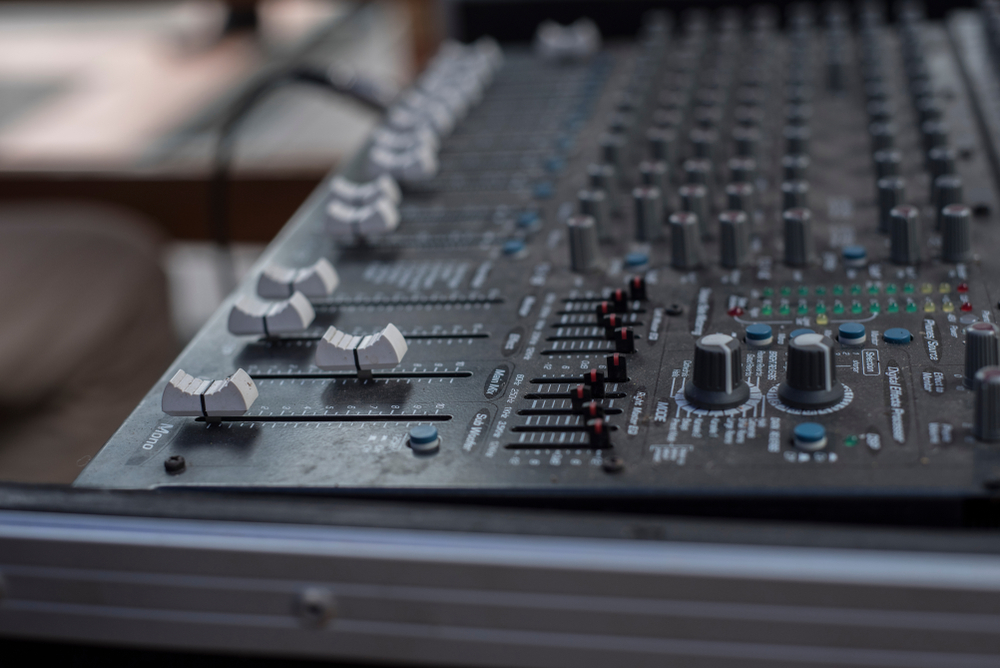
A commercial PA system helps people hear announcements, instructions, emergency messages, presentations, and live speakers clearly in the spaces where communication matters most. In offices, schools, houses of worship, hospitality venues, retail properties, and public facilities, the system has to match the room, the audience, and the daily workflow.
For facility leaders comparing audio services in Orlando, the planning process should begin with how the space is used, not just which speakers look powerful on a spec sheet. Read on to find out how to plan for a PA system properly.
How to set up a PA system?
It starts with understanding the facility. Before choosing microphones, speakers, amplifiers, processors, or control equipment, the project team needs to know where people gather, how messages are delivered, what volume levels are appropriate, and which areas need separate control.
A practical setup process usually includes:
- Reviewing the size, layout, ceiling height, and surface materials of the space
- Identifying who will use the system and what they need to communicate
- Planning speaker coverage to reduce dead zones, hot spots, and distracting echoes
- Selecting microphones, amplifiers, processors, and controls that match the use case
- Testing speech clarity, volume balance, and ease of operation after installation
The right design should make communication feel natural. People should not have to strain to hear a message, and staff should not need a technical background to operate the system for routine use.
Start with the purpose of the system
A PA system for daily announcements is not the same as a system designed for live music, worship, stage presentations, athletic facilities, or large event spaces. Some buildings only need clear speech in common areas. Others need multiple zones, paging integration, wireless microphones, assisted listening support, background music, or emergency communication tie-ins.
This is where understanding the difference between distributed audio and sound reinforcement can help. The former is often used to provide even coverage across multiple rooms or zones, while the latter is usually designed to make live speech or performance sound clear and strong for an audience. Many facilities need some combination of both.
Plan around coverage, not just volume
A common mistake is assuming a louder sound will solve every problem. In commercial facilities, clarity matters more than raw volume. If speakers are poorly placed, one area may be too loud while another is difficult to hear. Hard surfaces, high ceilings, glass, concrete, and open floor plans can also affect how sound behaves.
Good planning looks at how sound travels through the room. Speaker placement, aiming, spacing, and zoning all influence the final result. In larger buildings, separate zones may allow staff to send announcements only where they are needed instead of interrupting the entire facility.
Think about controls & daily operation
The best system is not helpful if no one feels comfortable using it. Facility managers, front desk staff, pastors, teachers, presenters, security teams, or event coordinators may all need access to different functions. Controls should be simple enough for everyday use while still allowing the system to be adjusted properly behind the scenes.
Depending on the facility, that may include wall controls, touch panels, wireless microphones, rack-mounted equipment, source selection, preset volume levels, or paging priorities. A good design should reduce guesswork and make routine communication easier.
Coordinate PA planning with the rest of the AV system
PA systems often connect with other technology. A conference center may need microphones, displays, and streaming support. A church may need music playback, video projection, and stage audio. A school may need paging, gymnasium sound, and presentation systems. While a retail or hospitality space may need background music, announcements, and visual messaging.
This is why getting an expert commercial AV company matters during planning. The right team should think beyond one component and consider how audio, video, control, cabling, networking, and support fit together.
Visual communication can also play a role. For larger facilities, using video walls in commercial spaces may become part of the broader plan when announcements, schedules, wayfinding, branding, or live content need to reach people quickly and clearly.
Test, tune & document the system
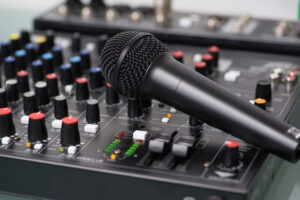
After installation, the system should be tested in the real space. This includes checking speaker coverage, microphone levels, feedback control, paging zones, input sources, and user controls. Fine-tuning matters because a system that works technically may still need adjustment to feel right during daily operation.
Documentation also helps over time. Facility teams should know what equipment was installed, how zones are organized, who to contact for support, and what to do if needs change later.
Who should I call for comprehensive audio services in Orlando?
If you want to plan a PA system around your facility’s layout, audience needs, communication goals, and long-term technology plans, Pro Audio Services is here to help. We use only the best components and equipment to create state-of-the-art setups for all types of commercial venues. Whether your space is near Dr. Phillips Center for the Performing Arts or elsewhere in the region, our team can assess coverage, recommend the right system structure, install commercial-grade equipment, and provide training and support.
Reach out to schedule a consultation and start building a system that helps every announcement, presentation, and message reach the right people with clarity. Let’s start today!
